











Marble Care Guide: How to Clean & Protect Marble
Marble has been millions of years in the making, but even this most enduring of natural materials needs a little care to stay at its best. From richly veined dining tables to sculptural coffee tables and decorative accessories, marble has a way of bringing the beauty of the natural world into our homes.
What makes it so desirable, however, also calls for consideration. Its distinctive composition means marble can be vulnerable to staining, scratching and etching, particularly when exposed to acidic liquids.
The good news? A little maintenance goes a long way. Whether you're looking to protect an existing piece or considering your first marble dining table, our marble care guide covers everything you need to know about cleaning, protecting and preserving this remarkable natural stone.
Magic Coffee Table by Bonaldo
Marble Samples
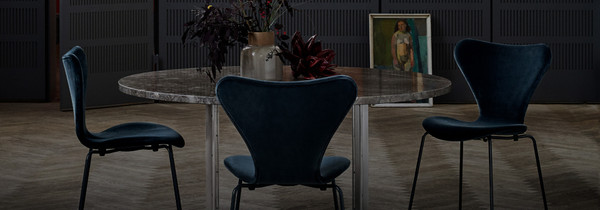
After Dining Table by Fritz Hansen
Why Does Marble Need Special Care?
We're nothing if not thorough, so before getting into the practicalities, here's a little insight into the natural science behind marble and why it needs special attention.
Our story begins millions of years ago with limestone, a sedimentary rock composed primarily of calcium carbonate. When exposed to immense heat and pressure beneath the Earth's surface, its mineral structure undergoes a transformation. Calcite crystals recrystallise and interlock, gradually forming the beautiful natural stone we know as marble.
The result is a material celebrated for its intricate veining, natural variations and luxurious finish. However, marble's composition also makes it sensitive to certain everyday substances.
Depending on the stone and its finish, liquids can penetrate the surface and leave stains. Marble is also relatively susceptible to scratching, while acidic substances such as lemon juice, vinegar and wine can react with its calcium carbonate.
This reaction is known as etching. Unlike a stain, which changes the appearance of the stone through absorption or discolouration, etching physically alters the surface, often leaving a dull or cloudy patch.
Understanding this distinction is the first step towards keeping your marble looking beautiful.
TS Side Tables by Gubi
Gubi Marble Samples
How to Clean Marble Furniture
Like a classic car or a high-end coffee machine, the best things in life require regular TLC to keep them in pristine condition and perfect working order. Much like the aforementioned, pieces of marble furniture are passion projects that exude the same passion they have poured into them. If you want it to glisten in the sunlight and capture the luxury intention of your home, weekly maintenance is key.
For everyday marble cleaning, simplicity is best.
- Use a soft cloth. A clean microfibre cloth helps remove dust and light dirt without scratching the surface.
- Choose a pH-neutral cleaner. Use a specialist natural stone cleaner suitable for marble, or a small amount of mild, non-acidic washing-up liquid diluted in warm water, where permitted by the furniture manufacturer.
- Clean gently. Wipe the surface without excessive pressure or vigorous scrubbing.
- Rinse and dry. Remove any cleaning residue with a lightly dampened cloth before drying thoroughly with a soft towel.
Regular cleaning helps prevent dirt and residue from building up, particularly on frequently used dining and coffee tables.
What cleaning products should you avoid?
Not every household cleaning product is suitable for natural stone. In fact, some familiar cleaning cupboard essentials can do more harm than good.
Avoid vinegar, lemon juice, acidic bathroom cleaners, abrasive powders and scouring pads. These can damage marble's surface or cause unwanted scratches and dull patches.
Even products marketed as natural cleaning solutions aren't necessarily marble-friendly. When in doubt, check the product label and the furniture manufacturer's recommendations before applying anything to the stone.
Tobi-Ishi Dining Table by B&B Italia
Plinth Coffee Table by Audo
Selce Coffee Table by Gallotti & Radice
How to Protect Marble from Everyday Damage
Prevention is always preferable to restoration, particularly when dealing with delicate natural materials.
The simplest precaution is to keep coasters close at hand. Whether it's a morning coffee or an evening glass of wine, creating a barrier between drinks and marble helps prevent rings, spills and accidental etching.
Placemats and protective pads are equally useful, especially on dining tables where cutlery, plates and decorative objects are regularly moved across the surface.
Be particularly mindful of acidic foods and drinks. Citrus fruits, vinegar-based dressings and wine can all cause etching, sometimes after only brief contact.
Hot cookware and dishes are best placed on trivets rather than directly on marble. This helps protect the stone and any factory-applied finishes from potential thermal damage.
Finally, consider the location of your furniture. Although natural marble is generally well suited to indoor environments, certain surface treatments may be affected by prolonged exposure to strong sunlight or heat. Always follow the care instructions provided with your particular piece.
How to Remove Stains from Marble
Even with the best intentions, accidents happen. And when they do, knowing how to respond can make all the difference.
What to do immediately after a spill
Step 1: Blot the liquid. Use a clean paper towel or absorbent cloth to lift the spill from the surface. Avoid wiping it across the stone, as this can spread the liquid.
Step 2: Clean the affected area. Gently wipe with a soft cloth and a marble-safe, pH-neutral cleaner or an appropriately diluted mild soap solution.
Step 3: Rinse carefully. Remove any remaining cleaning solution with a clean, lightly dampened cloth.
Step 4: Dry thoroughly. Pat the surface dry with a soft cloth and assess whether any discolouration or dullness remains.
For many everyday spills, prompt action will be enough to prevent lasting problems.
More stubborn stains, however, may need specialist attention.
How to deal with oil, coffee and wine stains
Different substances can affect marble in different ways.
Oils and grease may penetrate the stone, leaving darker patches. Coffee, tea and wine can also cause discolouration if absorbed into the surface.
When gentle cleaning doesn't resolve the problem, an appropriate stone poultice may help. This specialist treatment uses an absorbent material and a suitable cleaning agent to draw some stains from the stone.
However, not every poultice is suitable for every type of marble or stain. Using incompatible chemicals can cause further damage, so always check the manufacturer's guidance or consult a professional stone restorer before attempting treatment.
Saarinen Dining Table by Knoll
Lise DIning Table by Molteni & C
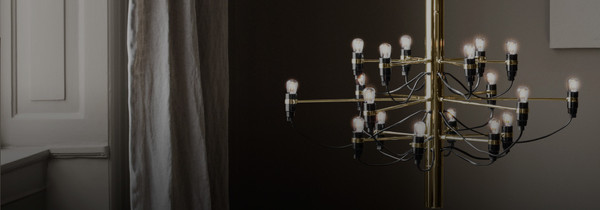
Last orders Lamp by Flos
The difference between staining and etching
One of the most common marble-care misconceptions is that every mark is a stain.
A stain generally involves a substance being absorbed into the stone, leaving visible discolouration. Etching, on the other hand, occurs when an acidic substance reacts with the marble itself.
Etching often appears as a dull patch, particularly on polished surfaces. Because the stone has been altered, normal cleaning will not reverse the damage.
Light etching can sometimes be addressed through appropriate polishing or refinishing, while more substantial damage is best assessed by a specialist.
Should You Seal Marble?
Sealing can provide an additional level of protection, but it's important to understand what it can and cannot do.
Penetrating stone sealers are designed to reduce the absorption of liquids, helping make marble more resistant to certain stains. They do not make the surface completely waterproof, stainproof or resistant to acid etching.
It's also worth remembering that some marble furniture arrives with factory-applied protective treatments. These may have their own maintenance requirements, and additional sealing won't necessarily be appropriate.
If you're unsure whether your marble needs sealing or resealing, consult the manufacturer or a natural stone specialist before applying a product.
Think of sealing as another layer of precaution, rather than a substitute for careful everyday use.
Tyron Keramik Dining Table by Cattelan Italia
Grasshopper Dining Table by Knoll
Can Damaged Marble Be Repaired?
One of marble's great advantages is that many types of surface damage can be professionally restored.
Specialist stone restorers can address scratches, chips, stains and etching using techniques such as honing, polishing and carefully colour-matched resin repairs.
In some cases, a damaged surface can be refinished to restore a more consistent appearance. More extensive repairs may require specialist assessment, particularly where the furniture has a delicate edge, unusual finish or protective coating.
Not every imperfection can be completely removed, but expert restoration can often make a considerable difference without compromising the stone's natural character.
For valuable designer furniture, we recommend consulting the manufacturer or an experienced natural stone restoration specialist before attempting repairs yourself.
Marble vs Ceramic: Which Is Easier to Maintain?
Love the look of marble but not quite ready for the maintenance? There are alternatives that offer a similarly striking aesthetic with fewer everyday concerns.
Modern ceramic and porcelain surfaces can reproduce the dramatic movement, colour and veining of natural marble while offering greater resistance to staining and many household substances.
They're particularly well suited to busy dining areas where practicality is just as important as appearance.
Consider the Tyron Keramik Dining Table by Cattelan Italia, for example, which combines an expressive ceramic top with a sculptural metal base.
Ceramic isn't indestructible, and edges can still chip or suffer impact damage, but it can be an excellent lower-maintenance option.
Natural marble, meanwhile, offers something uniquely its own. Every slab carries a pattern shaped over geological time, giving each piece a character that cannot be replicated exactly.
Ultimately, the choice comes down to how you want to live with your furniture.
Explore our ceramic dining tables for a more practical alternative to natural stone.
Marble under construction
Eros Console Table by Agapecasa
What to Consider Before Buying Marble Furniture
Before investing in marble furniture, there are a few things worth considering.
How will you use it? A dining table used every evening may require more protection than an occasional side table.
Where will it sit? Think about the room's lighting, the furniture's proportions and how its colour and veining will complement the surrounding space.
Do you prefer polished or honed marble? A polished finish creates a reflective, luxurious surface, while honed marble has a softer, more understated matt appearance. Both require care, although etching can be more noticeable on highly polished stone.
Have you considered access? Marble furniture can be exceptionally heavy, so doorways, staircases, lifts and installation requirements should all be assessed before purchasing.
Perhaps most importantly, remember that no two slabs of natural marble are exactly alike. Variations in colour, pattern and veining are part of the material's appeal.
And that's precisely why we believe there's no substitute for experiencing natural stone in person.
Visit our Greater London showroom to explore marble finishes, compare materials and discover how a carefully chosen piece can transform your space with the help of our experienced design team.
Frequently Asked Questions About Marble Care
Can you use vinegar to clean marble?
No. Vinegar is acidic and can react with marble's calcium carbonate, causing etching and dull patches. Instead, use a pH-neutral cleaner suitable for natural stone.
How often should marble be cleaned?
Dust marble furniture regularly with a soft cloth and clean spills immediately. Frequently used surfaces can be wiped as required with a suitable marble-safe cleaning solution. Always rinse and dry after cleaning.
Can you remove etching from marble?
Light etching may be reduced through specialist polishing, depending on the marble's finish and the extent of the damage. More noticeable or widespread etching may require professional honing and refinishing.
Does marble need to be sealed?
Not always. Sealing requirements depend on the stone's absorbency, its surface finish and any existing protective treatment. Consult the manufacturer or a natural stone specialist before applying or renewing a sealer.